We See You Lily Parr
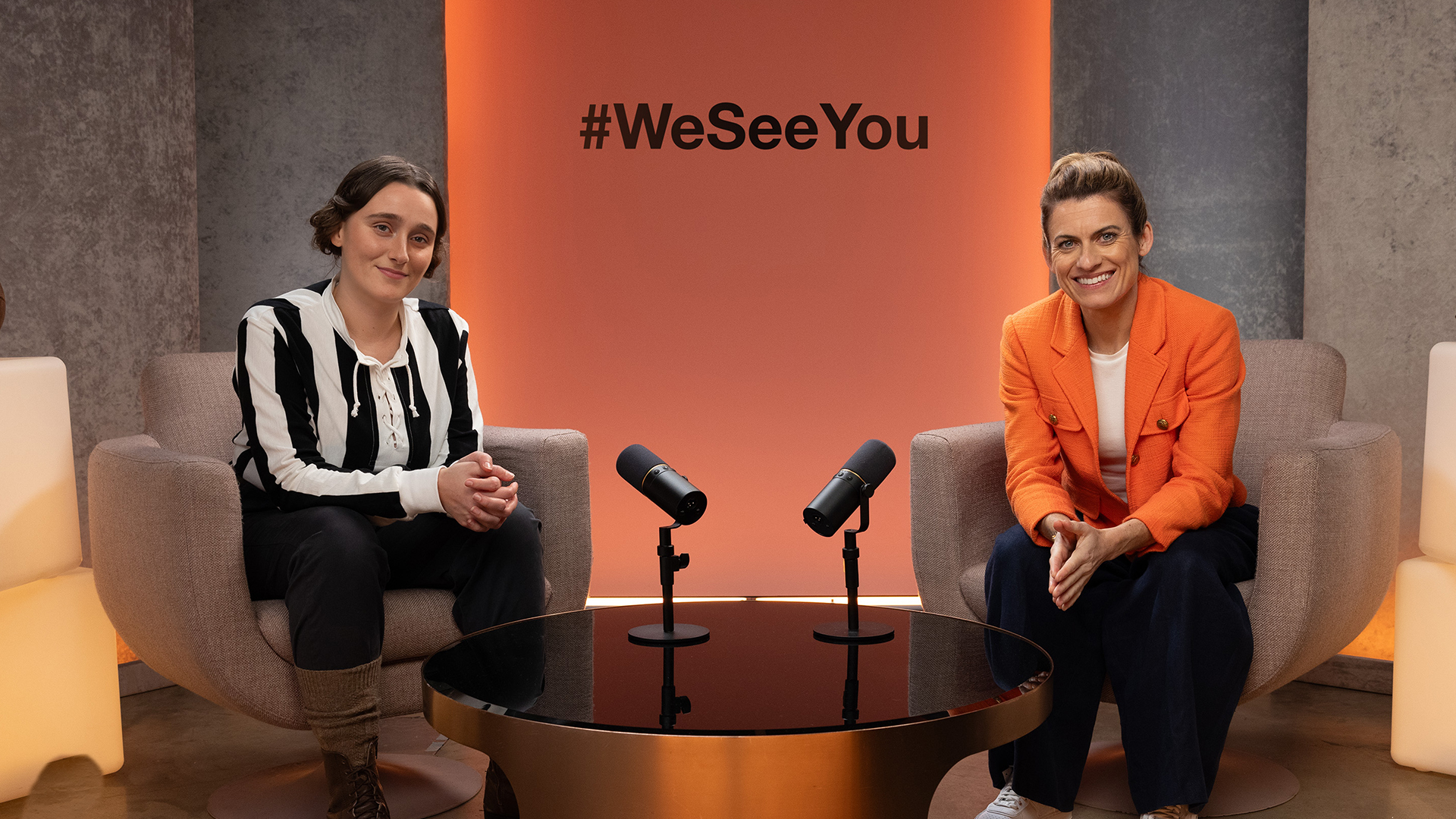
Creative Technologist Director and on-set VFX Supervisor, I returned to Territory Studio to collaborate on an ambitious AI project that brought the legendary footballer Lily Parr back to life for an interview with sports journalist and former Chelsea player Karen Carney.
The project would have been prohibitively challenging without a creative team and clients willing to fully embrace AI, combining it with traditional techniques and live action to achieve the final result.
2025: Best Use of Emerging Technology

2026: Best Use of Cutting-edge Technology

Approach
Very little footage, or even photography, exists from Lily’s 1920s era with Dick, Kerr's Ladies F.C. and this lack of coverage was exasperated by women’s football being banned from 1921 until 1971. Despite the ban, Lily was a formidable player, scoring more goals than Ronaldo and drawing crowds of 50,000.

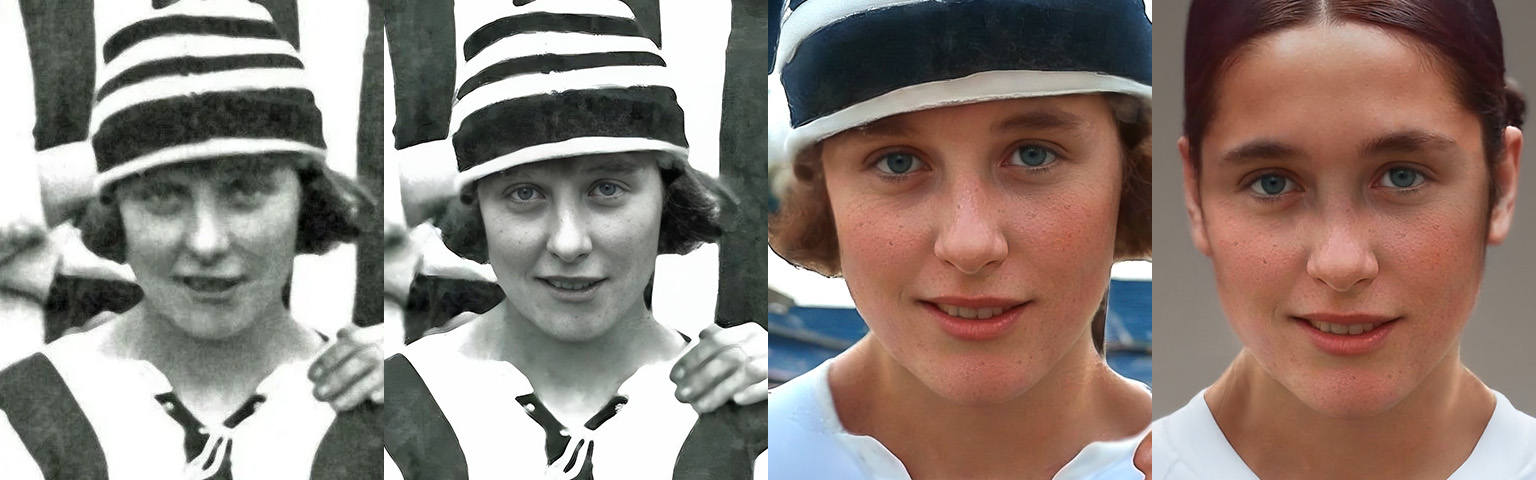
My initial objective, as lead creative technologist, was to create an authentic, high-resolution image of Lily’s face so we could use Digital Face Replacement (DFR). DFR had long been the preserve of Hollywood-level VFX teams, but emerging AI techniques were about to change that.
We upscaled, restored, colourised, and re-lit the few grainy 1920s newspaper images using the latest custom AI models in an in-house, engineered pipeline. Combined with traditional image manipulation, this allowed us to create a high-resolution portrait of Lily.
Performance-led DFR was always going to be required to capture historical
accuracy and the authenticity of Lily as a person. We collaborated with a
method actor, along with a voice and body-language coach, for the live
interview shoot.
One advantage of AI-enabled DFR was that, on set, we didn’t need messy face markers, and could perform face replacement in near real time, resolving technical issues immediately with the crew and director. This reduced VFX dependencies and allowed the actor and director to maximise performance without constraints.
As the on-set VFX supervisor, this was fantastically useful and meant we could resolve the majority of technical issues on set. I still captured traditional on-set VFX requirements such as HDRIs and lens grids, just in case we needed them. Because most of the DFR was solved in advance of the shoot, post-production VFX work on the key shots was quick to process with the AI pipeline and significantly reduced traditional compositing complexity.