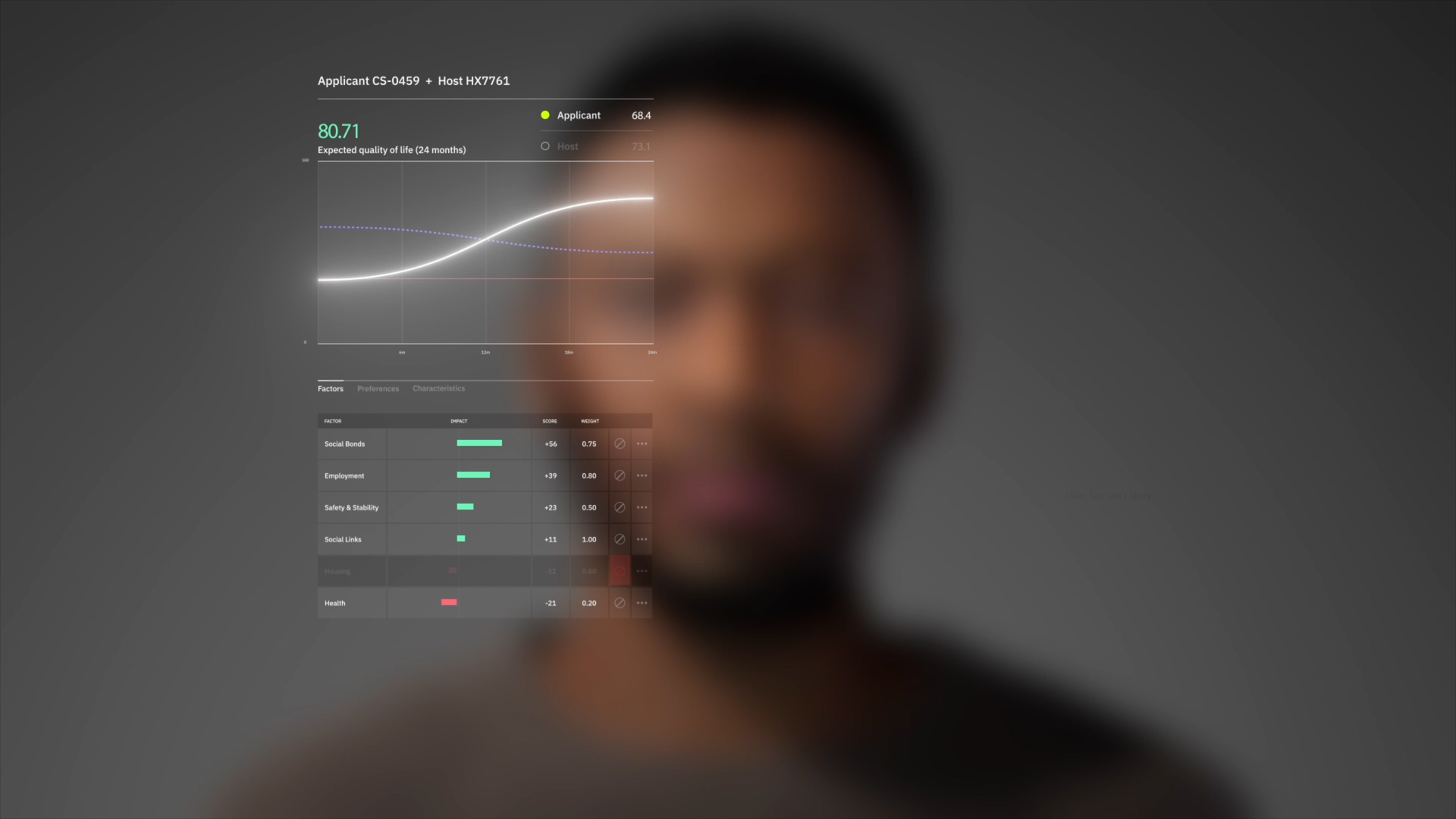
This R&D project partnership with Territory Studio, Royal Holloway University of London and Parallel set out to establish the technology required for a credible, articulate synthetic digital human in 2021. One capable of the sympathetic interviewing of refugees, where a shortage of qualified interviewers had pushed demand beyond the capacity of human interviewers, delaying access to appropriate support networks. This was long before generative AI and today’s LLMs existed, capabilities that would make a comparable project in 2026 very much simpler. At the time, it was right at the tip of the spear of what could be achieved in creative technology. As Creative Technologist and Unreal Engine Lead at Territory Studio, My self and the other teams found the project raised a great many ethical and technological questions, that were worth exploring.
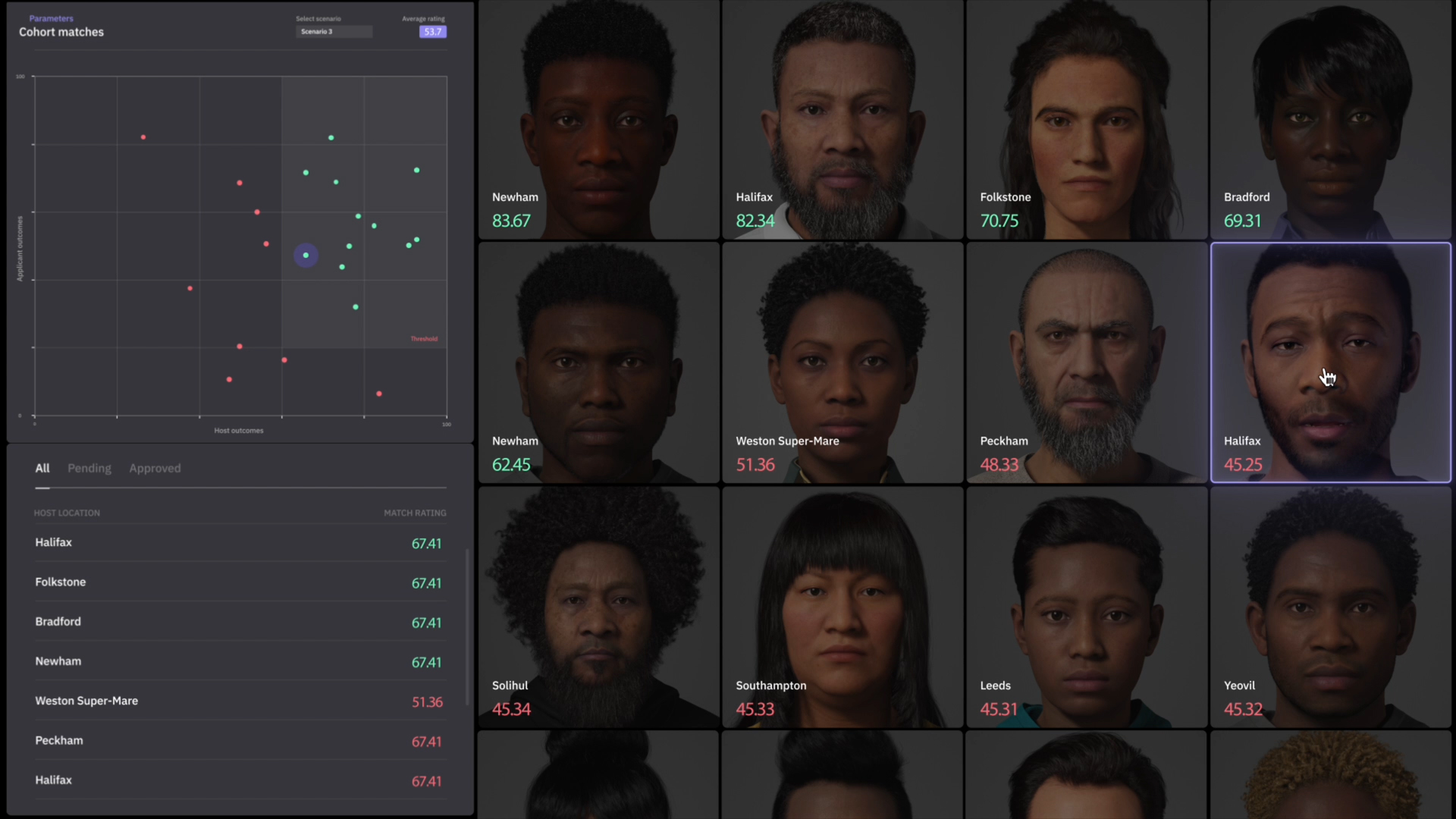
The ultimate goal was the creation of a synthetic digital human generated automatically through the sympathetic analysis of an engagement with another human. The ambition was not to build a “deep fake” or a composite chimera, but truly original, synthetic avatars that embody the essence of human appearance, sound and behaviour.
A synthetic digital human is a digitally created incarnation in human form that is not derived from human-sourced digital components such as the voice or animation.
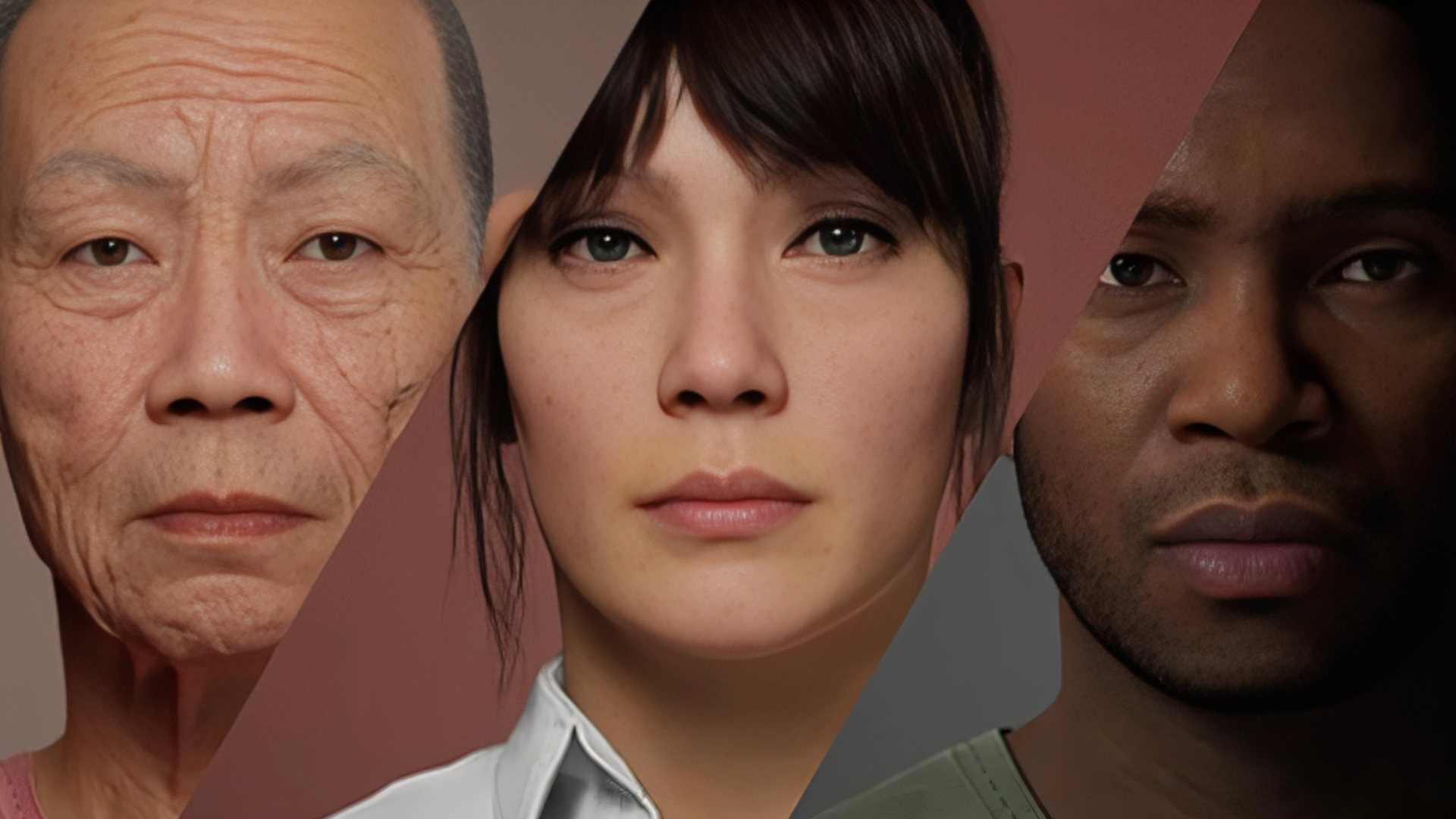
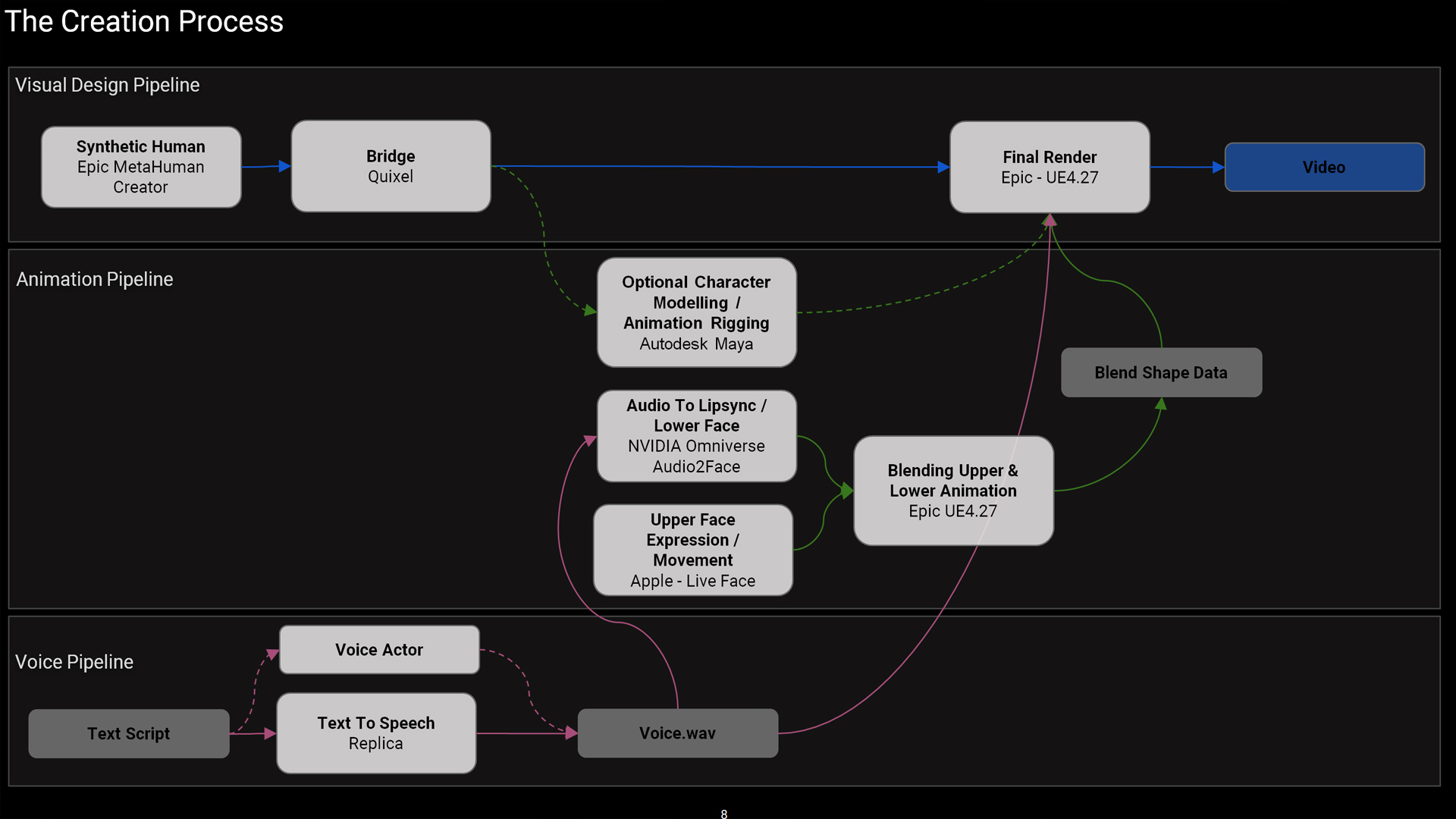
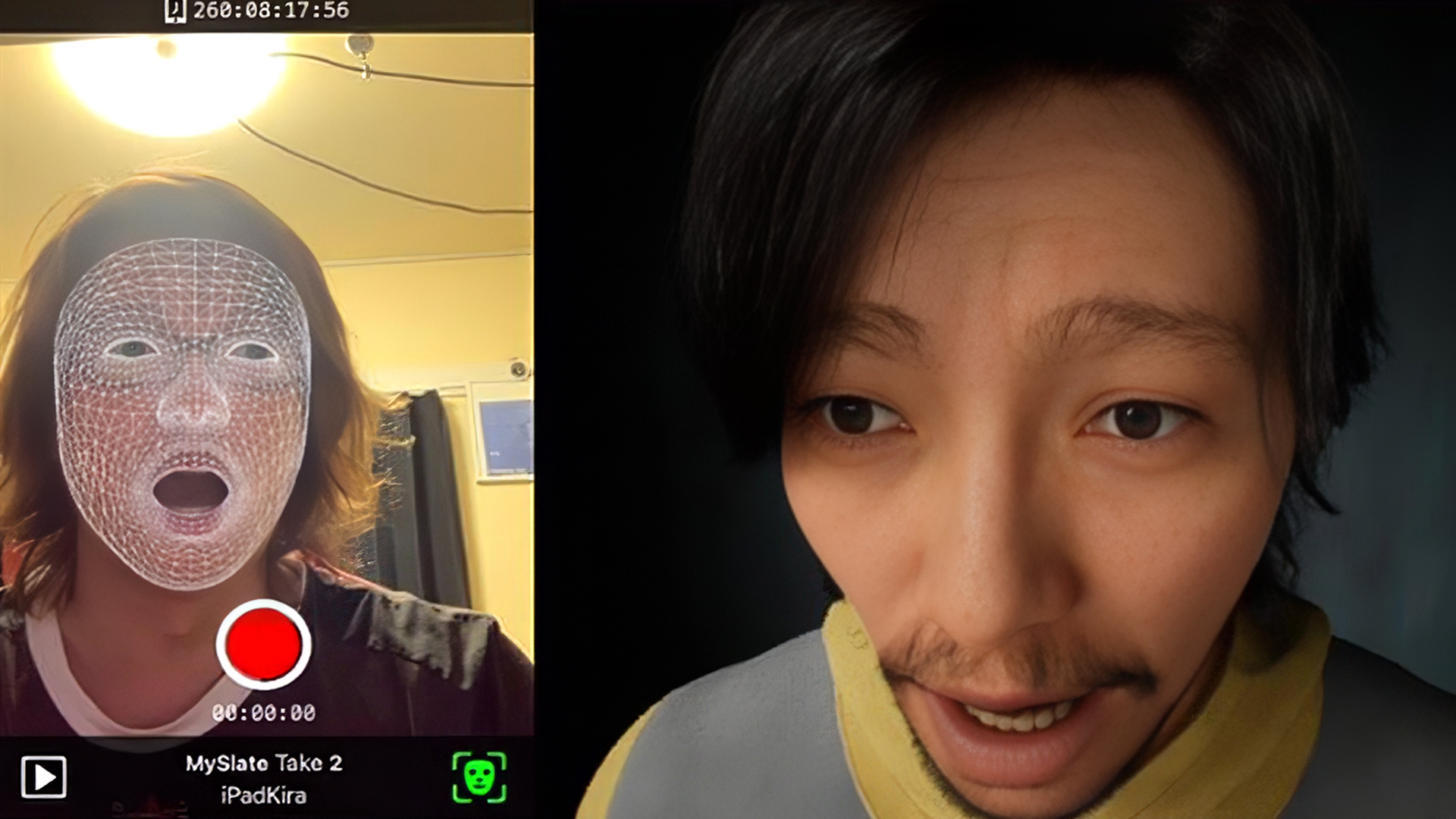
Advances in AI simulation of human faces meant that we could already create realistic facial representations, animations and voices. Breakthrough AI technologies; NVIDIA Audio2Face for lip sync, visemes and realistic lower-face emotional animation, and Epic’s recently released MetaHumans, allowed the creation of unique digital human avatars that had never existed outside of virtuality. Replica voices, inspired by human voice actors, were then analysed and deconstructed by AI to create a full range of phonemes and emotional nuances.
For its time, the R&D showed that automating a digital interviewer character to an acceptable degree was just about possible, though it fell well short of a human interviewer. Even so, it was extraordinary to have the opportunity to try.