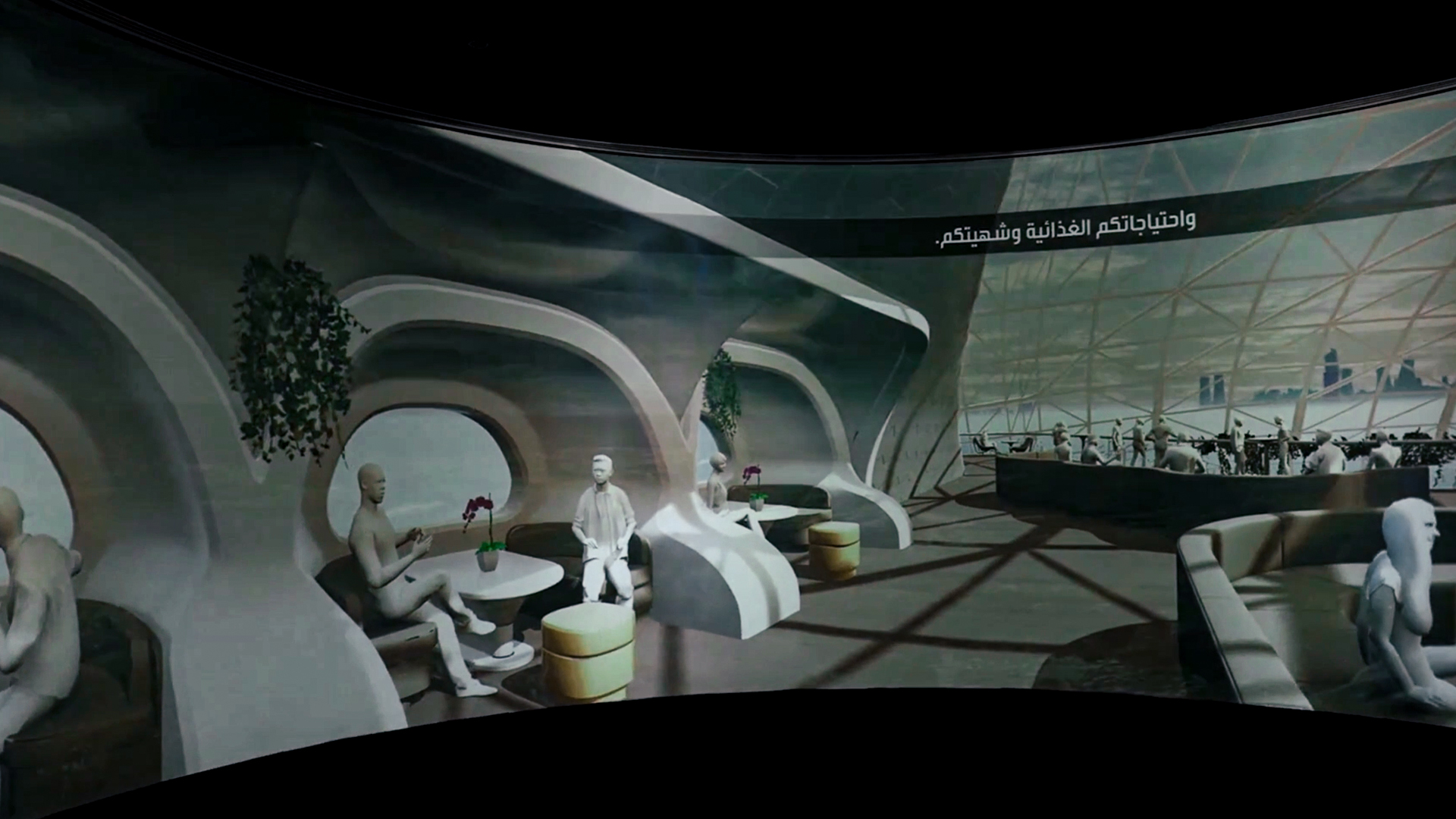
As the Unreal Engine 4 Technical Lead and Creative Technology Lead for Territory Studio, I worked across a two-year programme of interactive content design and production for the Emirates Pavilion. The project comprised 10 interactive installations, connected by an integrated networked data backbone that transformed a series of individual exhibits into a single, personalised digital journey through Emirates’ vision for the future of air travel and the airports of tomorrow.
I was also responsible for managing Territory Studio’s interactive Unreal team and served as the principal liaison between our external technical partners and internal motion design and CG teams. A key part of my role was ensuring that assets created across multiple disciplines were technically robust, visually consistent and fully optimised for real-time delivery across large-format and multi-screen installations.
My remit encompassed interactive design, creative technology, technical implementation and the overall systems architecture. I ensured that each creative concept could be delivered effectively in Unreal Engine 4 while integrating with the specialist systems developed by our hardware partner, Creative Technology Ltd. This included hardware platforms and control systems for industrial robotics, virtual reality, multi-screen displays, holographic installations, transparent screens, large-format displays and integrated audio.
In parallel, I provided creative-technical oversight for the real-time cinematics team producing a large-scale 360° film in UE4. Presented in a 360° cinema, this formed the final experience in the visitor journey. Aircraft designed by visitors in an earlier installation had to be stored as real-time 3D assets, carried through the personalised experience and integrated directly into the film’s visuals.
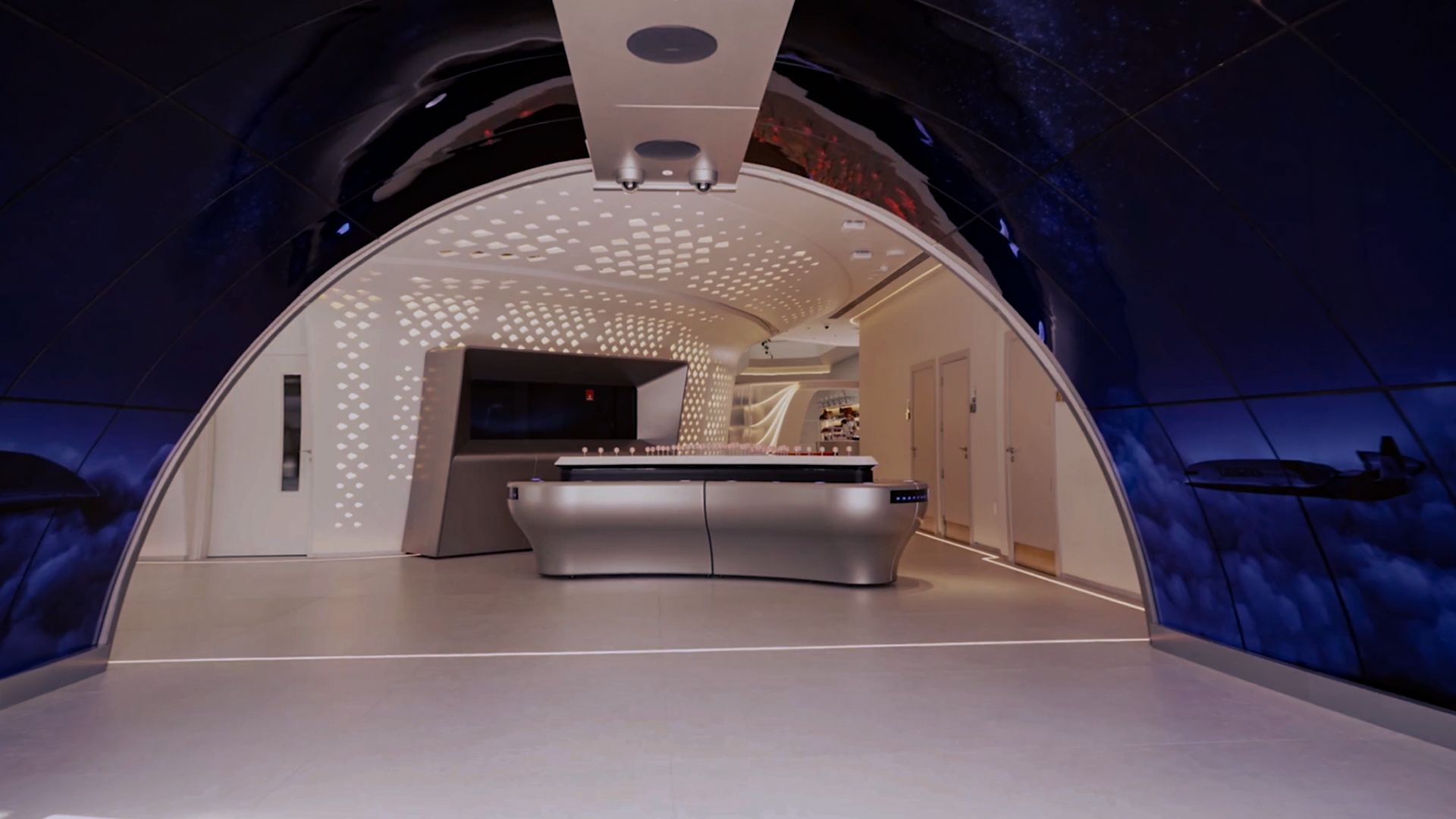
Zone 1: The Tunnel
A very large looping cinematic wrapped around the pavilion’s tunnel-shaped entrance, creating the opening visual experience for visitors. Although relatively straightforward compared with the later interactive zones, it required me to design a dependable render-conversion and playback pipeline capable of delivering the content at the necessary scale, resolution and format.
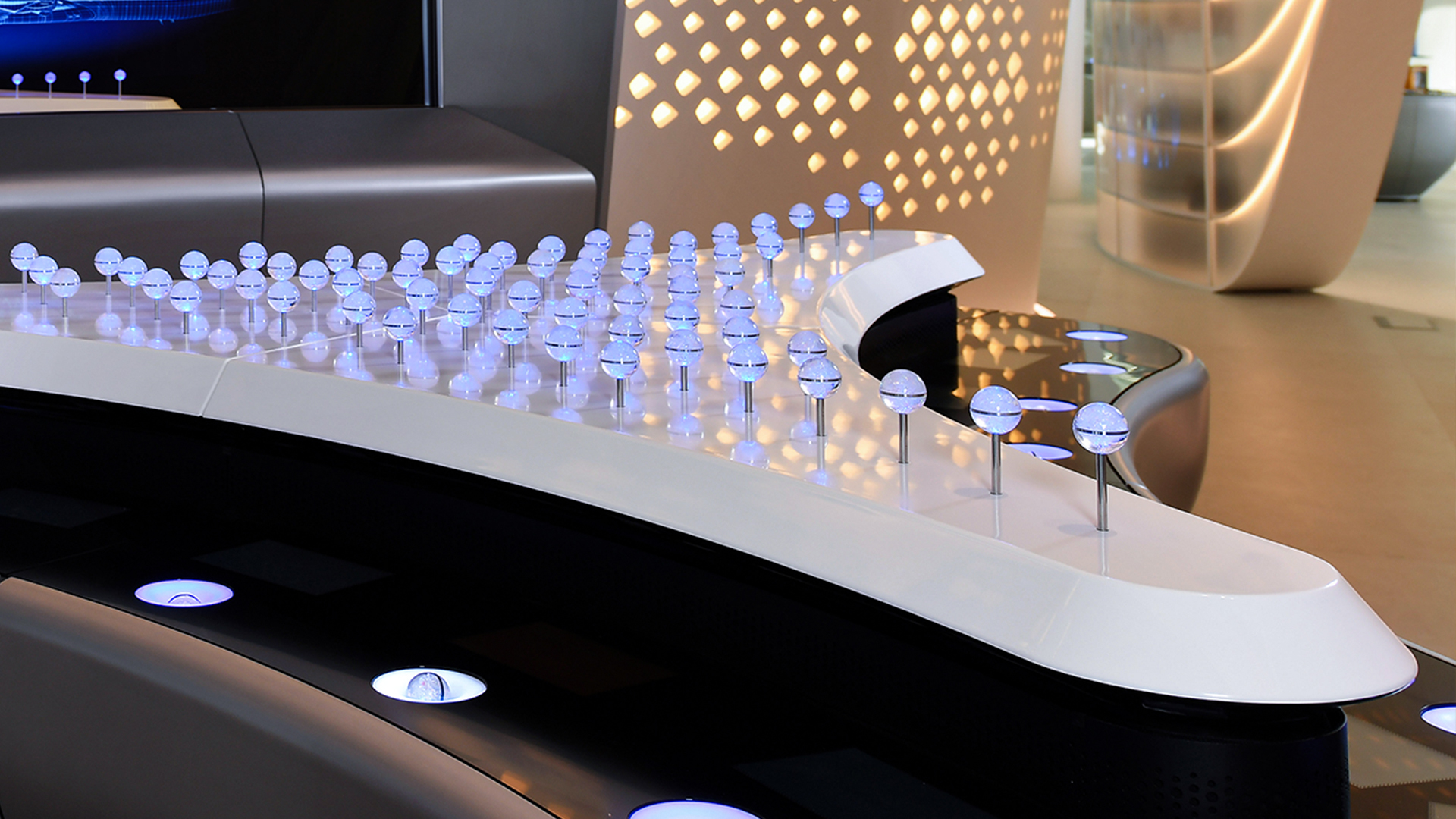
Visitors collected a physical token in the form of a futuristic “seed”, in practice a Bluetooth key, which unlocked and carried their personalised experience throughout the pavilion.
I designed the technical interface and systems architecture connecting the visitor profile, the interactive content and the unique hardware environment within each zone. This provided the foundation for pavilion-wide personalisation, allowing every installation to recognise the visitor and respond with content specific to their journey.
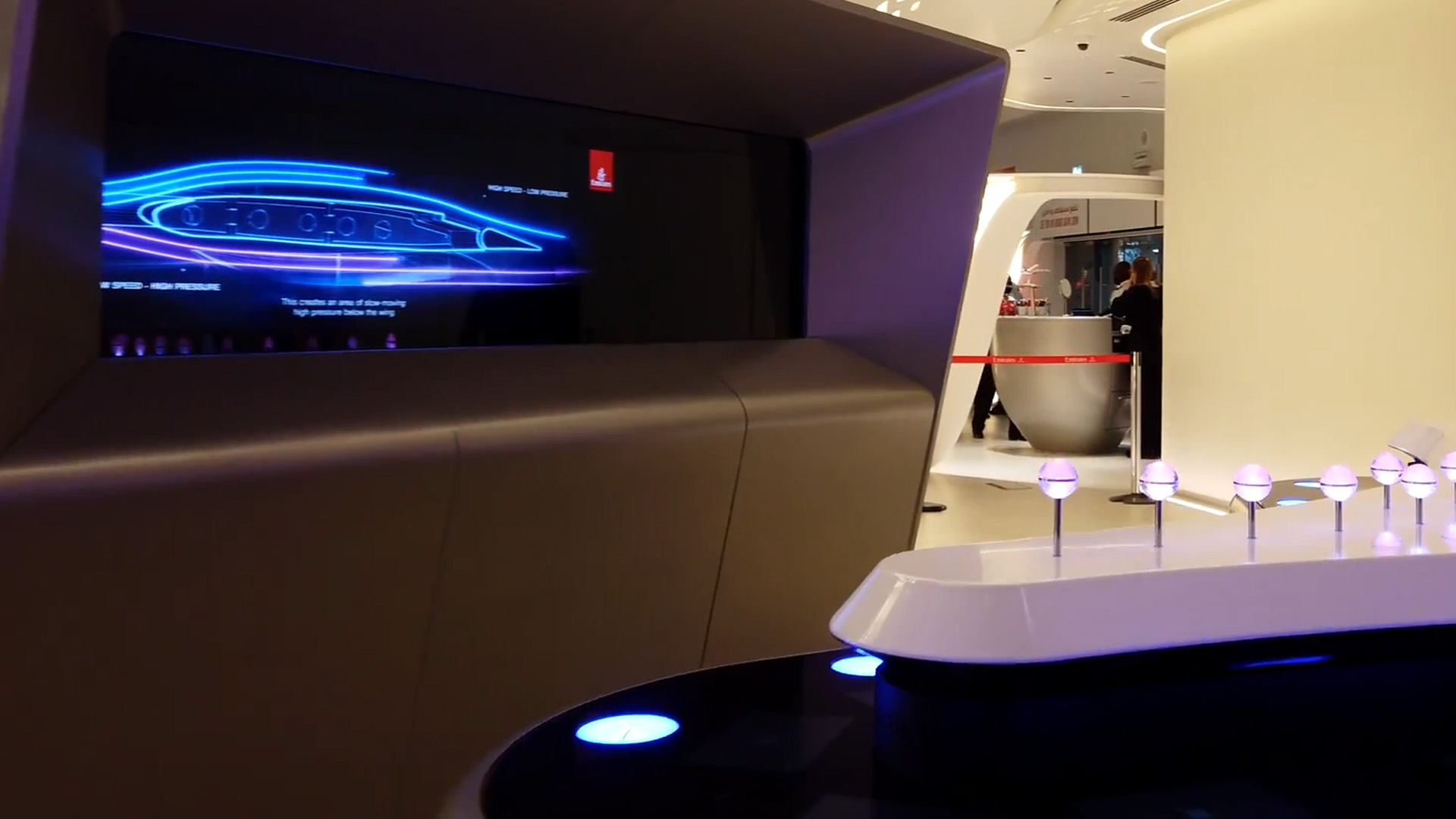
Zone 3: The Science of Flight
A 2.5D pseudo-holographic information film exploring the science of flight, presented through a custom, wide-format Pepper’s Ghost multi-screen system.
The installation required extensive research and development between Creative Technology, Territory Studio’s motion team and me. I directed the technical process of optimising the content, calibrating the display arrangement and achieving precise playback synchronisation between the different graphical layers. Accurate alignment was essential to maintaining the depth, cohesion and credibility of the holographic illusion.
Zone 4: Cleaner Skies
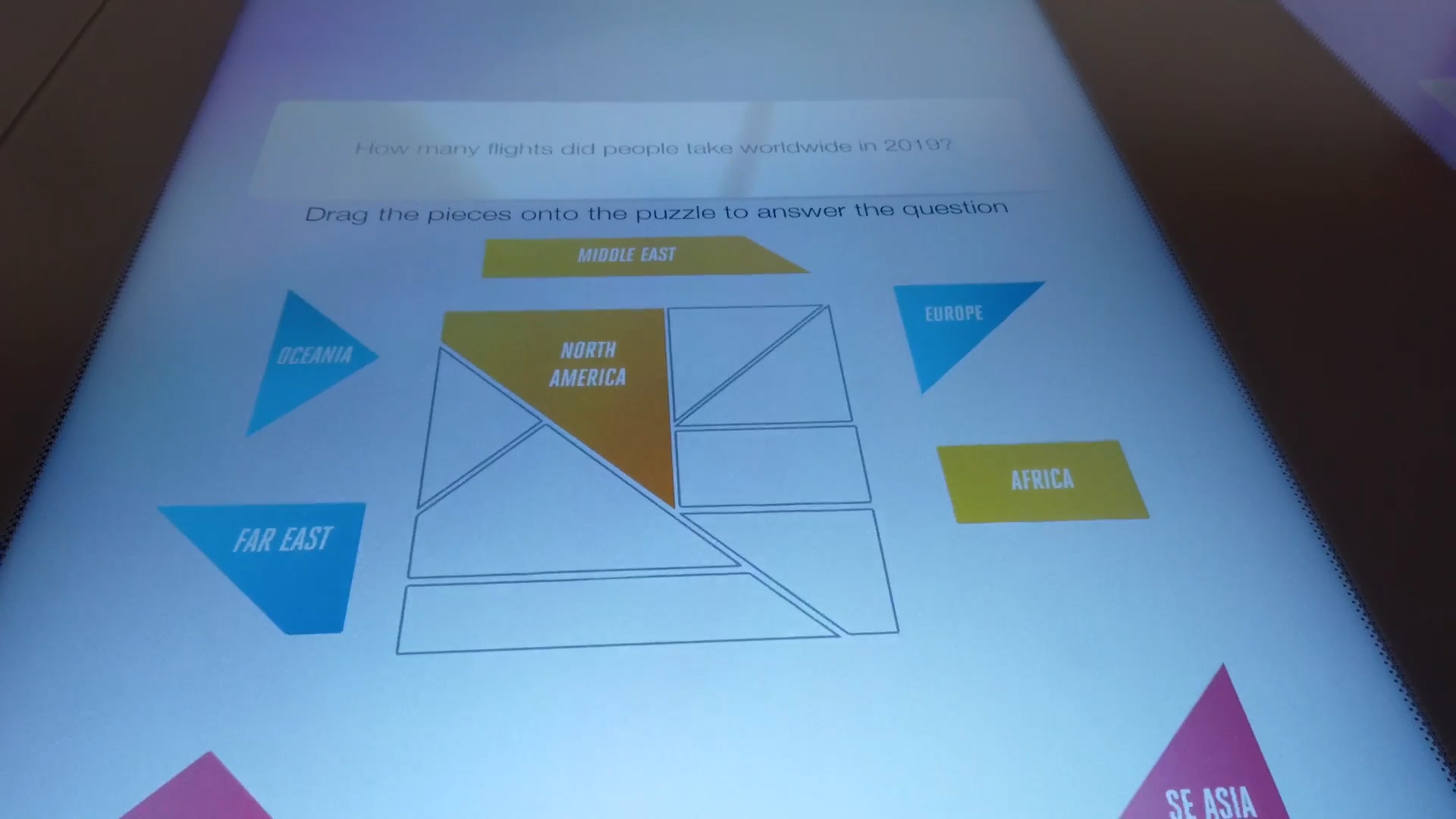
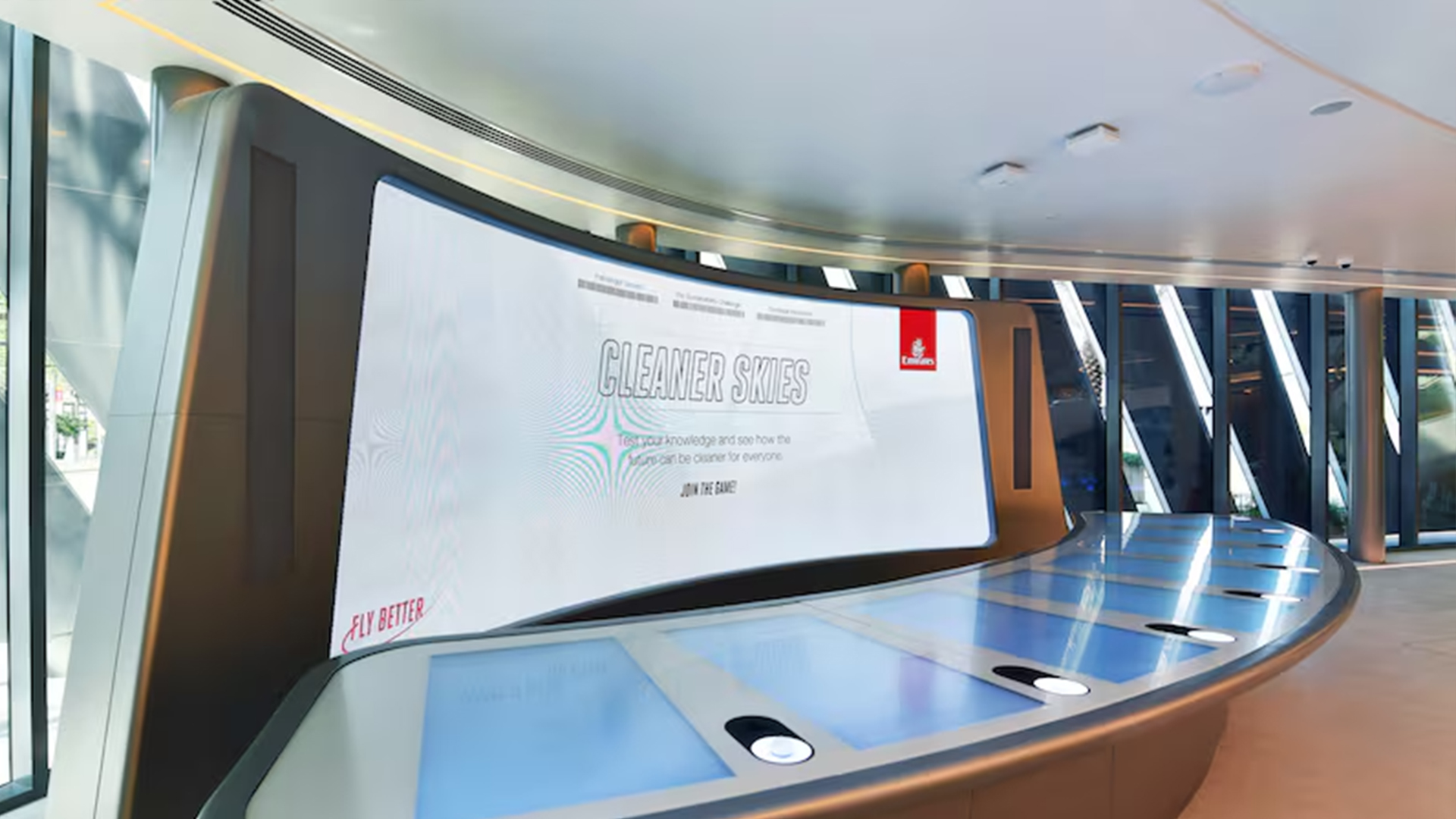
A multiplayer quiz experience in which multiple visitors played simultaneously against a shared master scoreboard.
The installation required a complex multiplayer architecture and event system capable of keeping every player synchronised with the central game state. I designed the system and worked closely with the lead gameplay programmer to develop a robust, responsive multiplayer framework. The experience could not rely on Unreal Engine’s standard multiplayer model, so we developed a bespoke approach tailored to the installation’s physical setup, interaction design and user-experience requirements.
Zone 5: Future Labs
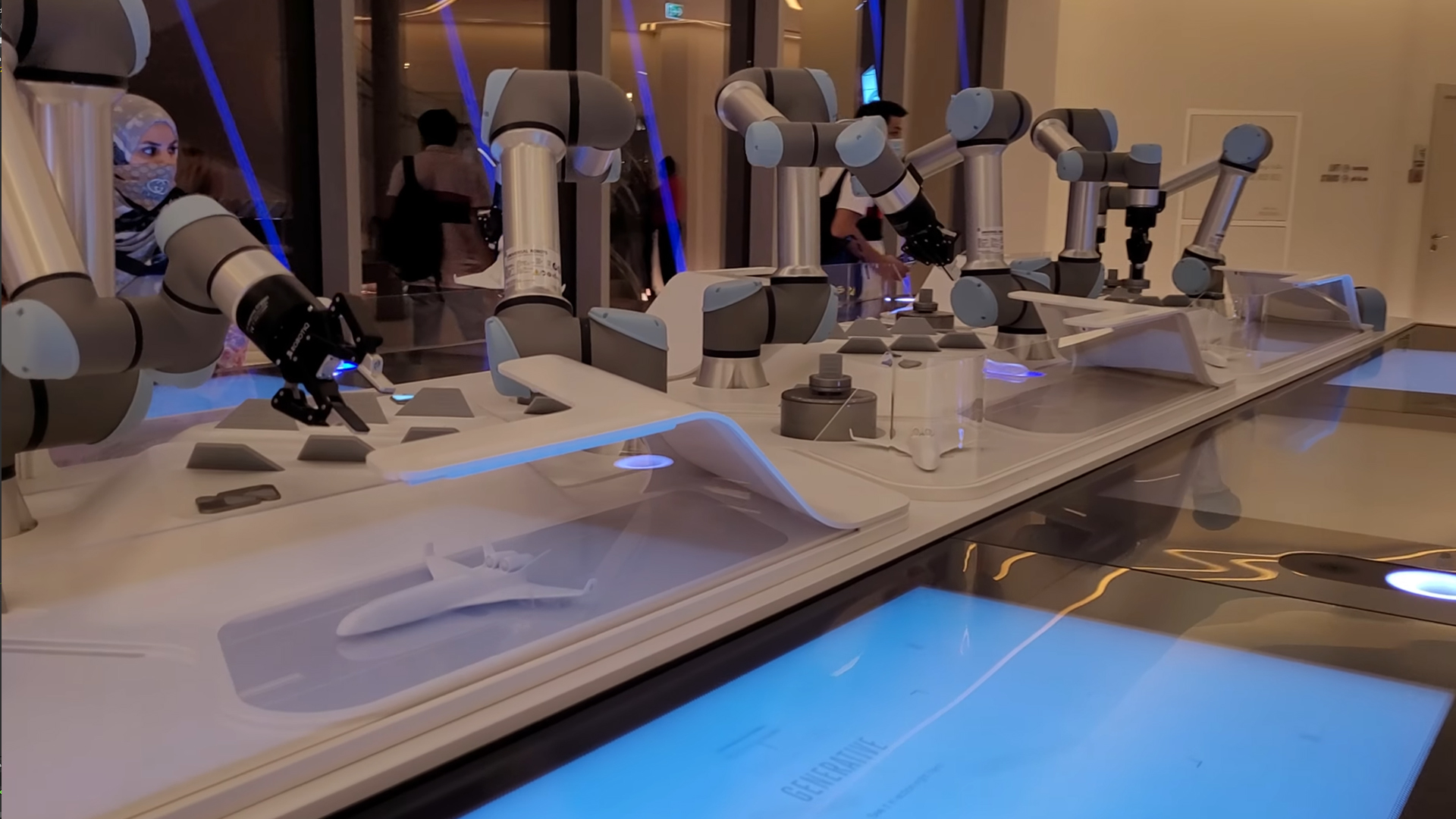
An installation exploring state-of-the-art developments in aeronautical material science. Industrial robots demonstrated a range of material properties, with their movements precisely synchronised to video and interactive content running in Unreal Engine 4.
I designed and implemented the UE4 Blueprint architecture for the application interface between the robots’ signalling system and the visitor-facing user interface. Because industrial robots were operating around the public, the installation also required rigorous safety protocols. The interactive application had to stop cleanly whenever a safety system was triggered and then restart or resume reliably once the environment was safe.
The technical demands extended beyond integration and safety. The experience required complex video-playback controllers and tightly coordinated state management, and I ultimately wrote the complete interactive codebase required to operate the installation.
Zone 6: Thrust & Propulsion
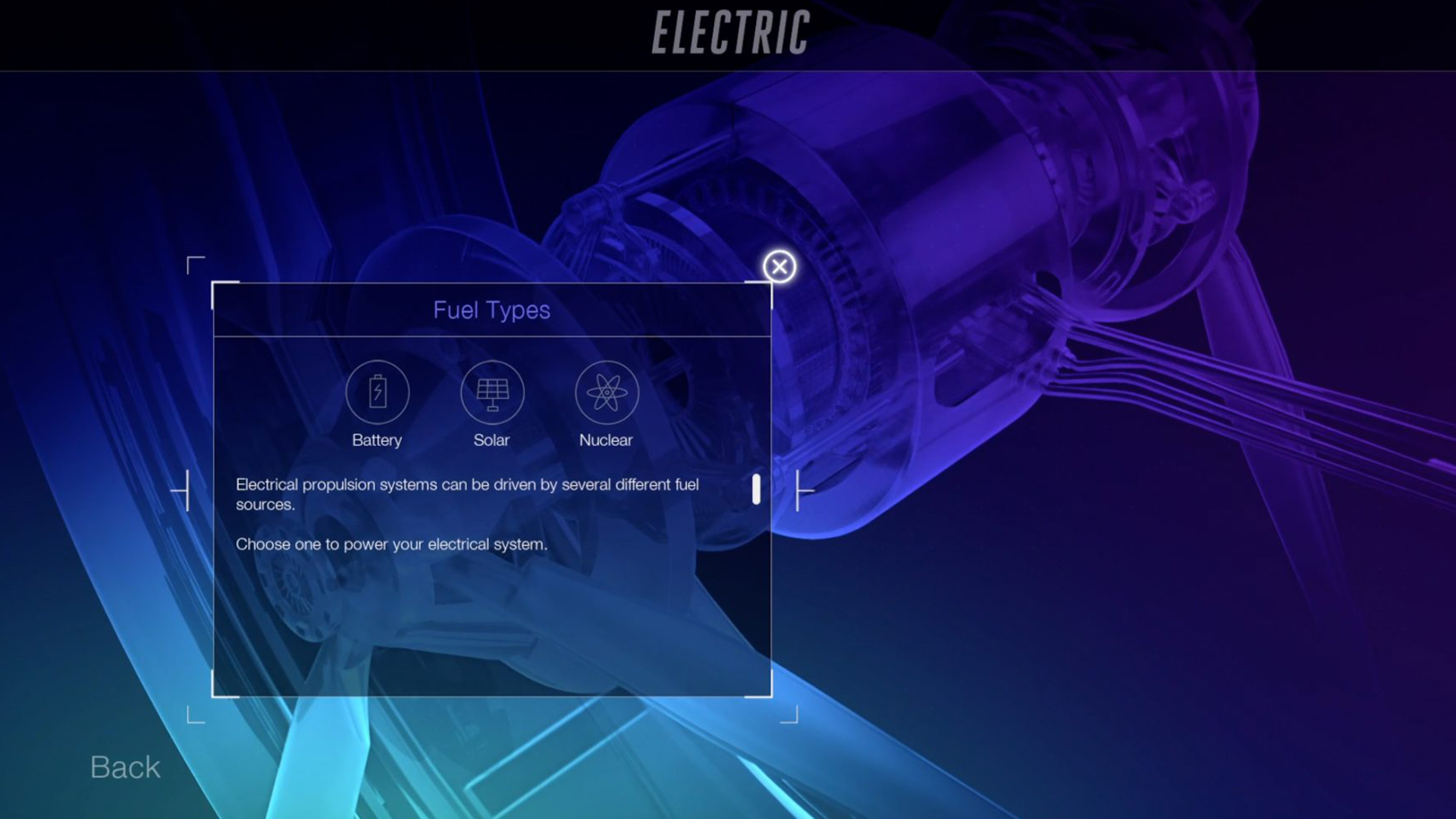
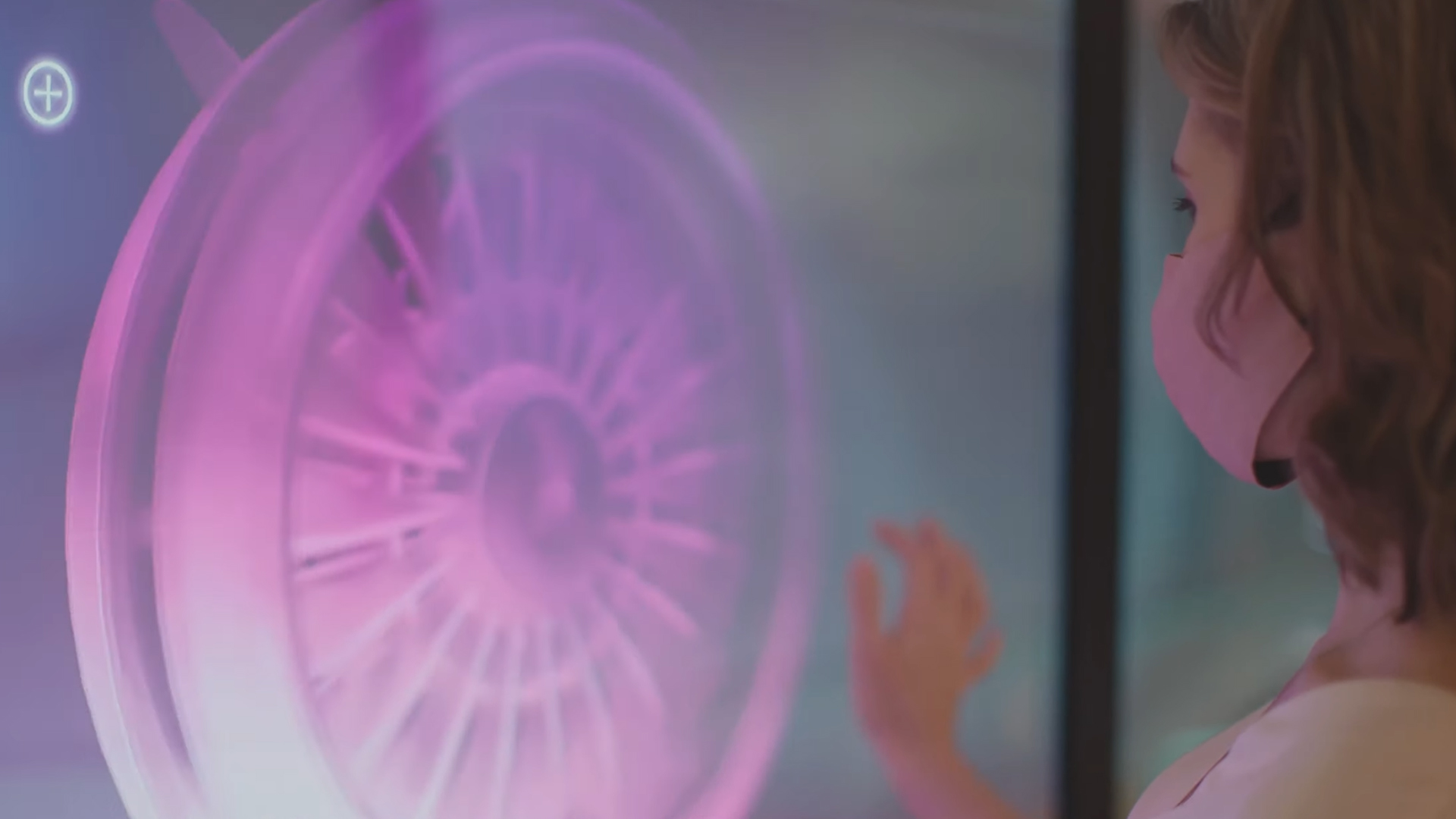
This installation used large transparent OLED displays to create a science-fiction engineering aesthetic around physical and digital models explaining how aircraft thrust and propulsion systems work.
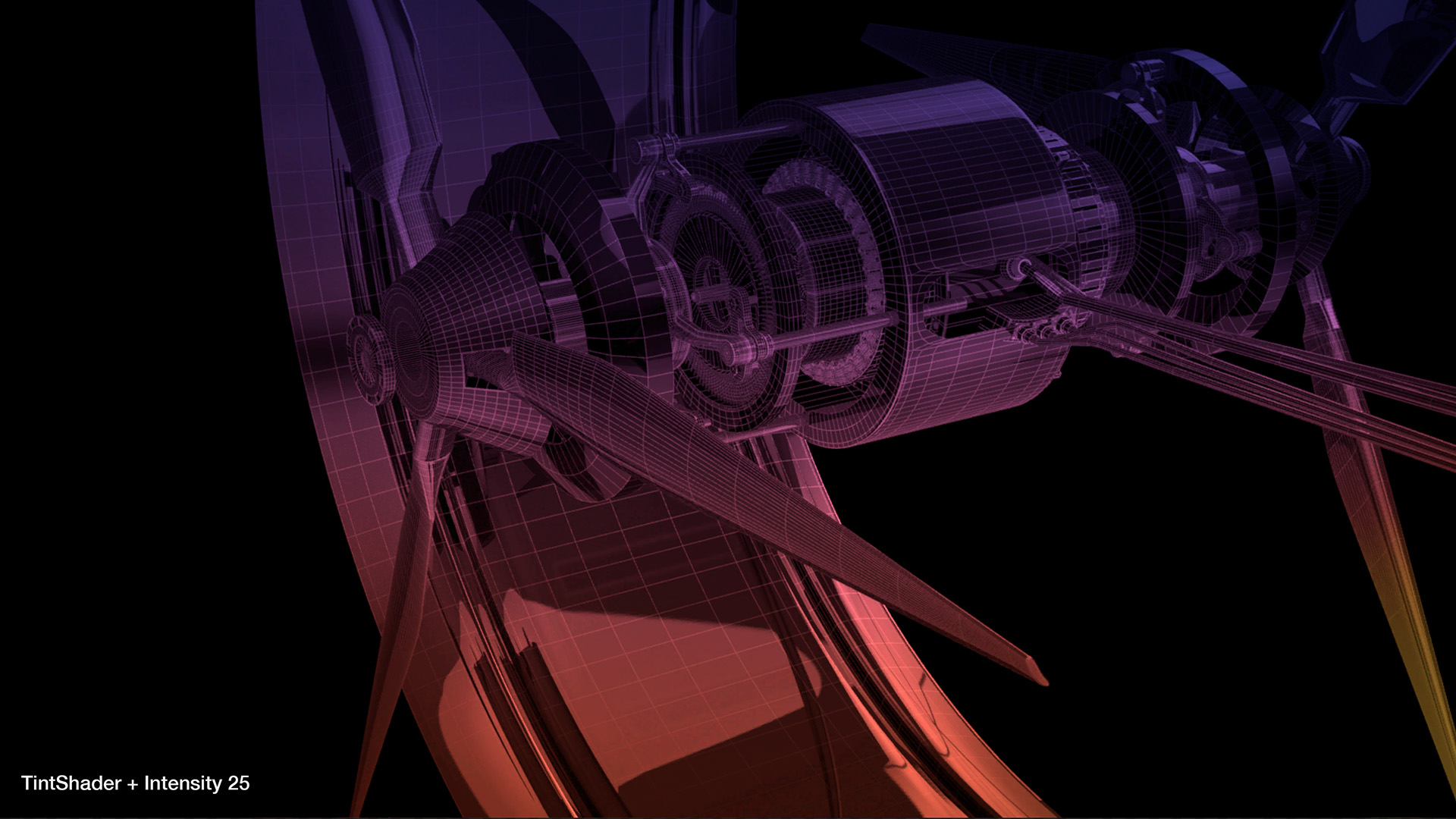
I initially designed the technical architecture for the Unreal Engine team, then went on to write the core interaction code and develop the shader system used across the models. The visual treatment required a complex four-colour gradient effect applied to the graphics in real time.
A late change to the hardware specification meant that the experience could no longer use live 3D engine models and had to transition to video playback. The same creative treatment still had to be preserved, so I redesigned and reimplemented the effect as a set of 2D video shaders, maintaining the intended visual language while adapting the experience to the revised performance constraints.
Zone 7: Design Your Perfect Aircraft
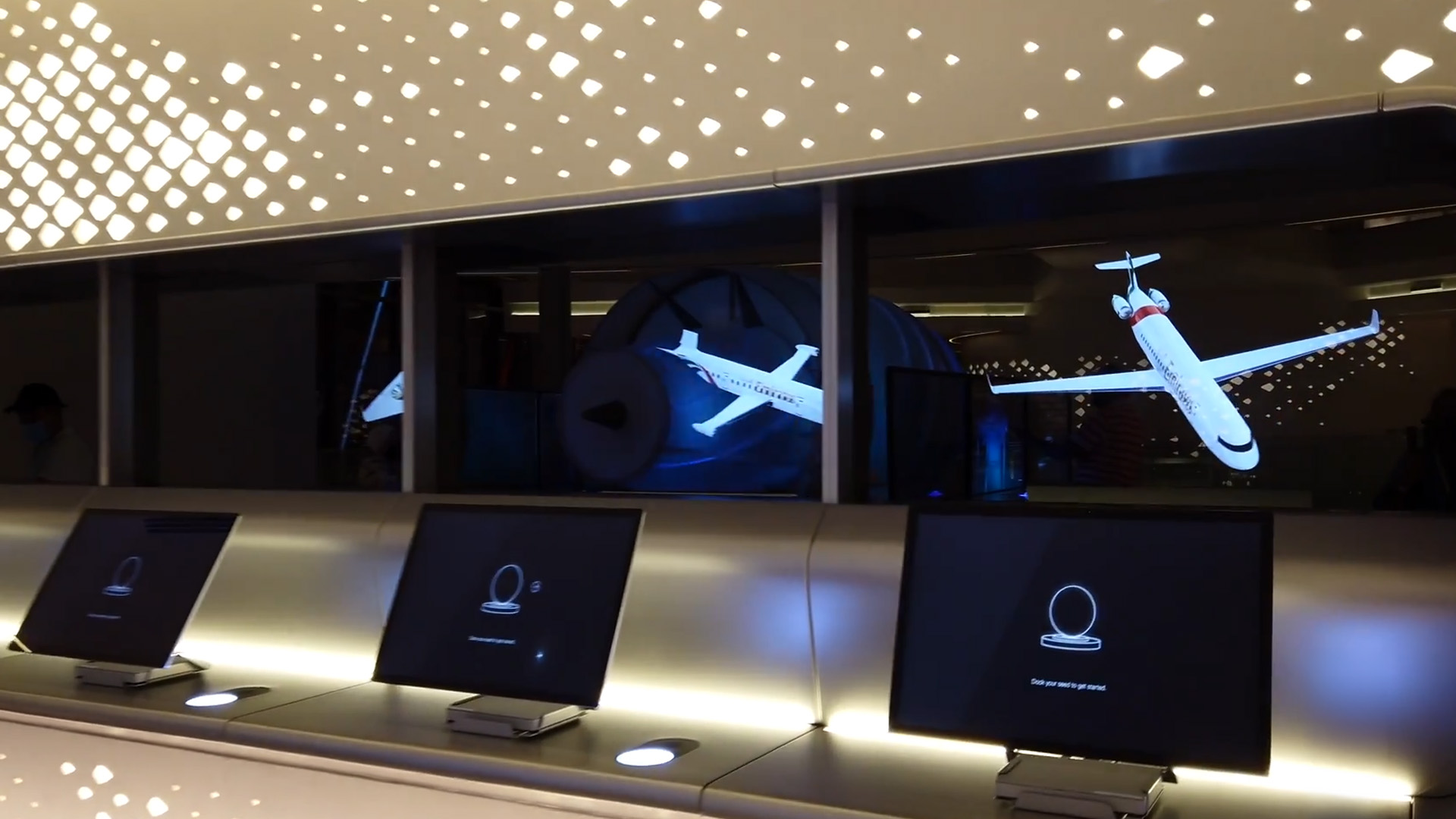
This was the most complex installation for me to architect. It allowed visitors to design and personalise their own aircraft, which was then visualised as a three-dimensional holographic object using the Pepper’s Ghost pseudo-holographic technique.
The physical setup combined a touchscreen design interface with two display screens positioned at right angles and a holographic film placed between them to create a volumetric effect. The complete display system had to operate with virtually no latency; any visible loss of synchronisation between the screens would break the holographic illusion.
The aircraft created by each visitor also had to persist beyond the installation. I designed the architecture for storing it as a personalised 3D artefact linked to the visitor’s profile. That asset then travelled with the visitor into the final 360° cinematic, where it was rendered into the film, and could also be repurposed to produce additional personalised souvenir assets.
Zone 8: Airport of the Future
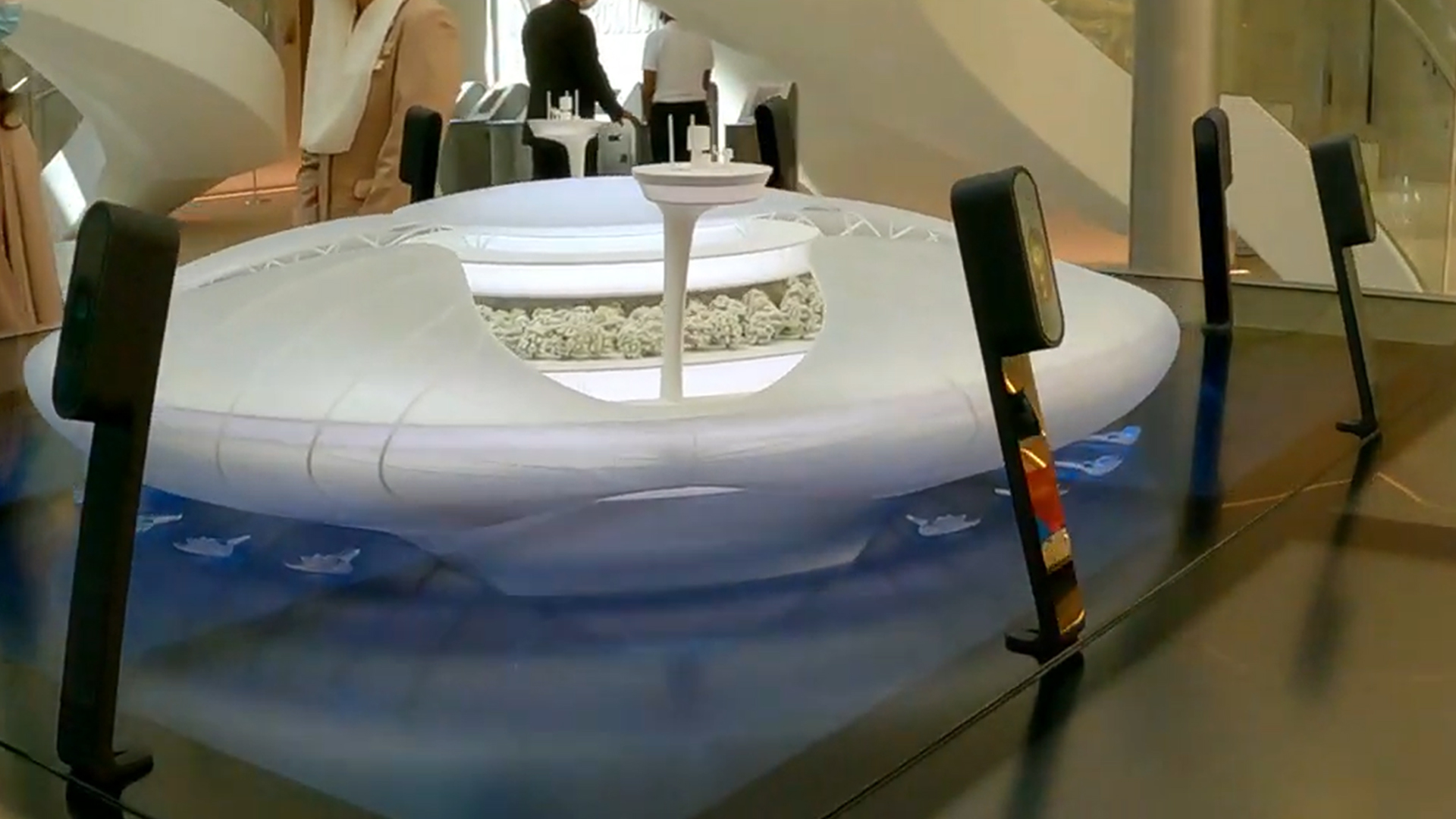
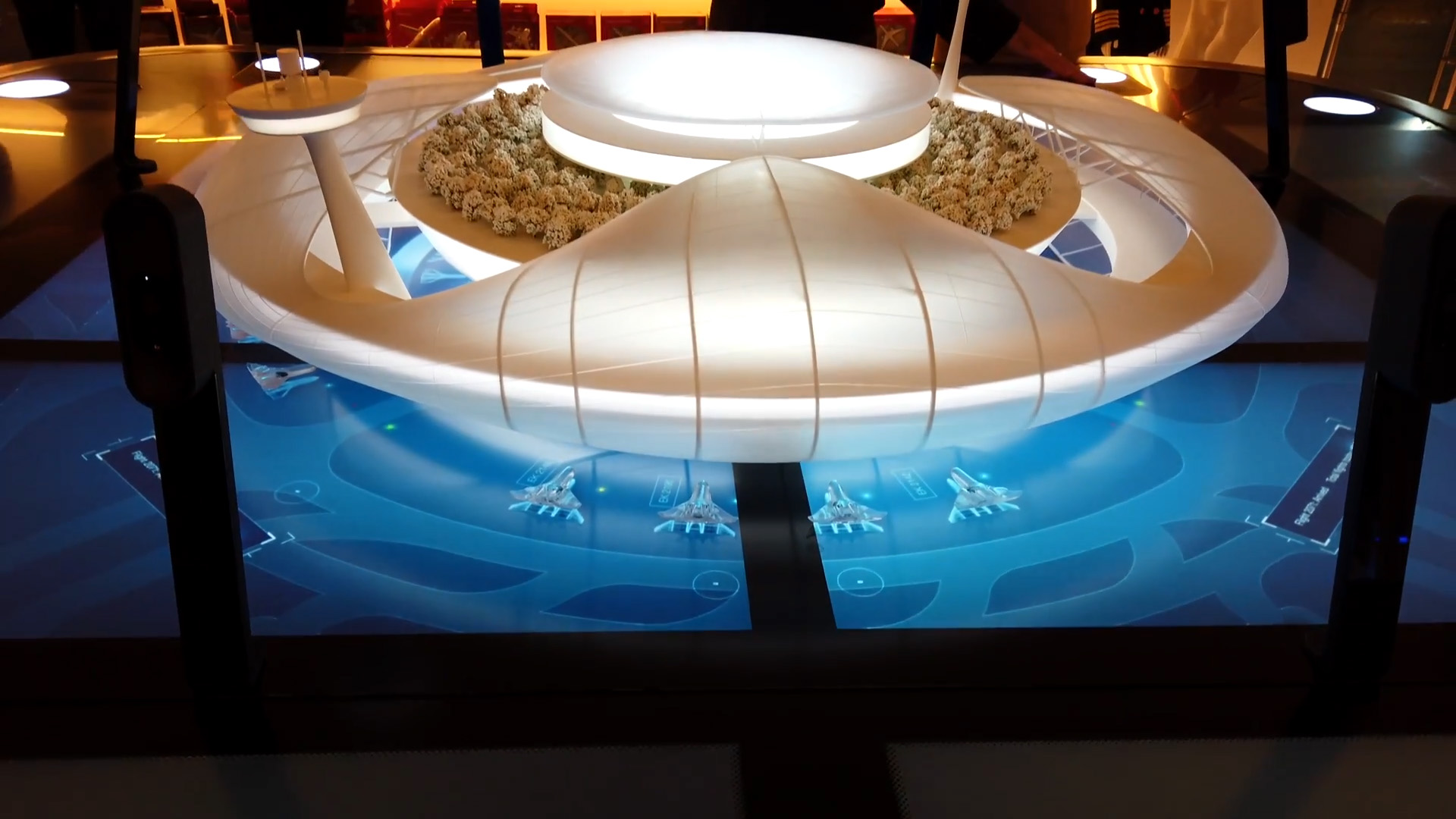
An installation exploring the future of the airport experience. Up to four visitors could interact simultaneously with a single shared display and physical model, while each participant received an individual experience on a separate personal screen.
This required a complex multi-screen and multi-user interaction model. I designed and coded the systems architecture, the synchronisation mechanics linking the shared and individual displays, and the 2D shader setups used to establish a coherent visual experience across the different screen formats.
Zone 9: Seeding the Future
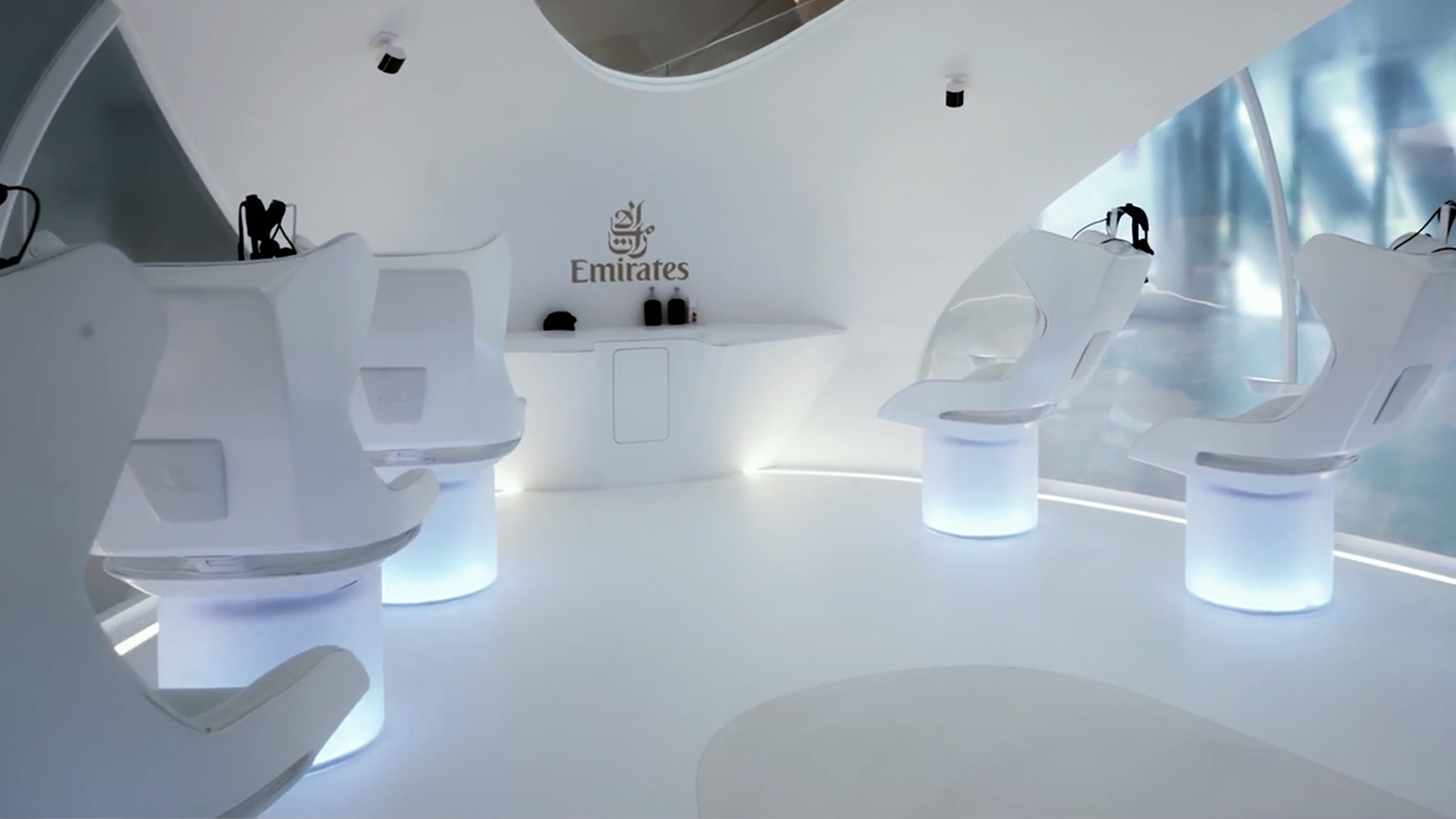
A virtual reality experience created in Unreal Engine 4 that imagined the future of the in-flight passenger experience.
I spent a significant amount of time researching and developing the technical approach with Creative Technology and Territory Studio’s VR team. Together, we evaluated the available hardware to identify the best platform for a shared, multi-user VR experience. I then helped optimise the content and real-time pipeline to ensure consistently smooth playback at the highest visual quality the system could sustain.
Zone 10: Experience Your Tomorrow
The pavilion culminated in a cinematic 360° film presented on a seven-metre-diameter wraparound screen.
I provided technical oversight and playback consultancy to the Territory’s Unreal Engines cinematics team, ensuring that the real-time content could be delivered reliably at the required scale and format. I also designed the integration architecture needed to import the personalised 3D aircraft assets created in the Design Your Perfect Aircraft Zone and render them into the film.
This pipeline formed part of the wider systems architecture I developed for the pavilion, completing the journey from visitor identification and personalisation through to a cinematic finale featuring each visitor’s own aircraft.